
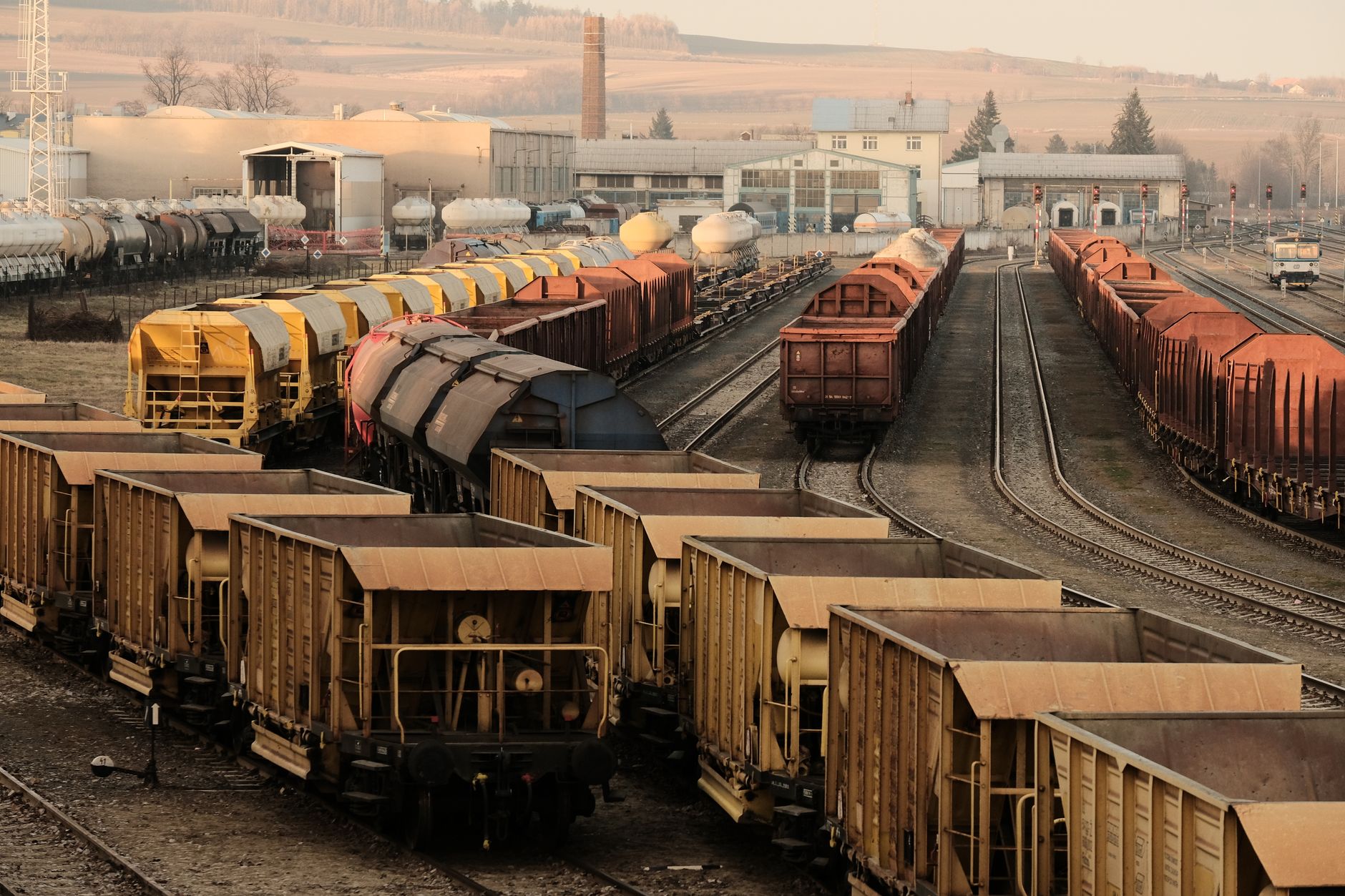
Ireland operates the least rail freight transportation infrastructure among all European Union member states, according to recent comparative analysis highlighting the nation’s dependency on road-based logistics networks. The findings underscore mounting concerns about Ireland’s capacity to meet environmental sustainability targets while supporting economic growth projected by Enterprise Ireland and IDA Ireland.
The Republic’s freight rail operations lag substantially behind continental European counterparts, with minimal tonnage moved via railway networks compared to countries with established rail freight corridors. This positioning at the bottom of EU rankings presents considerable implications for businesses seeking cost-effective, environmentally responsible supply chain solutions.
Transport infrastructure limitations have created structural disadvantages for Irish manufacturing and distribution sectors. Unlike major European economies where rail freight represents a cornerstone of logistics strategy, Ireland’s geographical characteristics and historical infrastructure investment patterns have resulted in overwhelming road transport dominance. Heavy goods vehicles carry the vast majority of freight across the island, contributing to emissions profiles that challenge climate action commitments.
The disparity becomes particularly apparent when examining comparative statistics across the 27-member bloc. Nations with extensive rail networks regularly transport millions of tonnes annually via freight services, supporting industrial competitiveness through lower transportation costs and reduced carbon footprints. Ireland’s minimal rail freight capacity restricts options for companies evaluating sustainable logistics alternatives.
Industry representatives have consistently identified transport infrastructure as a critical factor influencing investment decisions. Multinational corporations establishing European headquarters or manufacturing facilities through IDA Ireland programmes increasingly prioritize locations offering diverse freight transportation options. The absence of robust rail freight capabilities may influence site selection processes as environmental, social, and governance criteria gain prominence in corporate decision-making.
Geographical factors partially explain Ireland’s position, given the island nation lacks direct rail connections to continental European markets that landlocked or geographically connected states utilize extensively. However, domestic rail freight operations remain underdeveloped even for internal distribution networks and port connections, where opportunities exist independent of cross-border rail access.
Port connectivity represents a particular area where enhanced rail freight capacity could deliver measurable benefits. Major Irish ports handle substantial container volumes and bulk commodities, yet road haulage dominates the final distribution legs. Developing dedicated rail freight corridors linking ports with inland distribution centers and industrial zones could alleviate road congestion while reducing transportation emissions.
The Central Bank of Ireland has previously noted infrastructure investment requirements in various economic assessments, recognizing that transportation networks fundamentally enable productive capacity. Freight rail development necessitates substantial capital expenditure on track upgrades, rolling stock acquisition, and terminal facilities—investments requiring long-term planning horizons and coordinated policy frameworks.
European Green Deal objectives have intensified focus on modal shift strategies, encouraging member states to transition freight volumes from roads to railways and waterways. Ireland faces considerable challenges meeting these expectations given the current infrastructure baseline. Achieving meaningful modal shift would require transformative investment rather than incremental improvements.
Several European jurisdictions have demonstrated successful rail freight expansion through targeted policy interventions, including track access pricing reforms, intermodal terminal development, and coordination between infrastructure managers and freight operators. These approaches offer potential models, though implementation must account for Ireland’s specific circumstances including network scale and demand patterns.
The logistics sector continues adapting to evolving customer requirements for supply chain transparency and sustainability credentials. Retailers and manufacturers increasingly seek transportation providers offering lower-emission solutions, creating market drivers for rail freight development beyond regulatory compliance considerations. Irish businesses operating in sectors with stringent sustainability requirements may face competitive disadvantages without access to rail freight alternatives.
Addressing Ireland’s rail freight deficit requires coordinated action across multiple policy domains, from infrastructure planning and capital allocation to regulatory frameworks governing track access and service standards. The gap between Ireland and EU peers reflects decades of transportation investment prioritization rather than recent policy failures, suggesting reversal demands sustained commitment extending across multiple budget cycles.
While Ireland’s economic success stories frequently emphasize innovation clusters and skilled workforce advantages, fundamental infrastructure capabilities ultimately enable or constrain growth trajectories. The rail freight deficit represents a structural weakness requiring strategic attention as Ireland positions itself for future economic challenges and opportunities within an evolving European competitive landscape.